Rodents
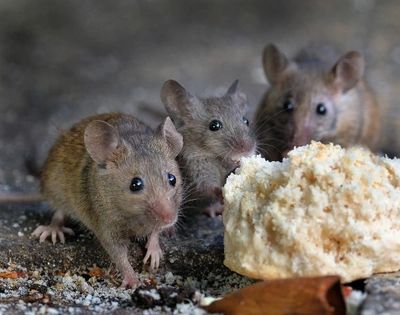
Mice and other rodents can enter a home through openings as small as a quarter inch, often long before homeowners realize there is an issue. Once inside, rodents reproduce quickly and spread throughout attics, walls, crawlspaces, and basements.
Rodents are not just a nuisance — they cause property damage, contamination, and health risks.
They chew on electrical wiring (creating fire hazards), insulation, wood framing, and HVAC components.
Their urine and droppings contaminate living spaces and can carry bacteria and airborne pathogens.
Early detection and proper exclusion are critical to stopping an infestation from becoming a long-term problem.
Common Signs of a Rodent Infestation
- Scratching or scurrying noises in walls or ceilings
- Droppings in attics, basements, kitchens, or garages
- Chewed wires, insulation, or wood
- Strong ammonia-like odors from urine
- Visible gaps along rooflines, siding, or foundation areas
Our Mice & Rodent Removal Process
- Full Property Inspection
We inspect the exterior and interior of the home to locate entry points, nesting areas, and travel paths. - Targeted Rodent Removal
We use professional-grade trapping methods designed to remove rodents efficiently and safely. - Complete Rodent Exclusion
All gaps, cracks, and openings are sealed using durable materials designed to withstand gnawing and weather exposure. - Sanitation & Damage Assessment
We identify contamination areas and damage caused by rodents and recommend cleanup or repair when needed.
Rodent FAQs
When is rodent activity most common in New Jersey?
Rodent activity occurs year-round in New Jersey, but spikes during:
- Fall & winter when mice seek warmth
- Early spring during nesting season
Exclusion can be performed at any time of year.
Can rodents cause damage even if I don’t see them?
Yes. Rodents often stay hidden in walls and attics while causing significant damage to wiring, insulation, ductwork, and wood framing. Many homeowners discover damage only after odors, noises, or power issues appear.
What is rodent exclusion?
Rodent exclusion is the process of sealing and reinforcing all entry points using durable materials designed to prevent rodents from chewing back in. This is the most effective long-term solution for preventing infestations.
Do I need cleanup after rodents are removed?
In many cases, yes. Rodents leave behind droppings, urine, and contaminated insulation. We assess affected areas and recommend sanitation or repairs when necessary to protect indoor air quality.
Do rodents leave on their own?
Rodents rarely leave voluntarily. If food, warmth, and nesting areas remain available, they will continue to stay — and reproduce — inside the home.